Skip to content

Black Friday is kind of like the World Cup of eCommerce for businesses, and the winning business is the one with the most well-planned marketing strategy that is specially localized for its targeted market!
This is particularly true in Africa, where the Black Friday eCommerce scene is not to be taken lightly; any unwitting business believing that the generic approach of a translated marketing plan would benefit them can’t be more wrong.
In a market of over 54 countries, 2000 languages, and countless unique cultures, your way to success isn’t just about translation; it’s about deep, authentic localization. So, how can your business go home with the World Cup of eCommerce in Africa? Let’s find out!
Why Africa is Your Biggest Black Friday Opportunity
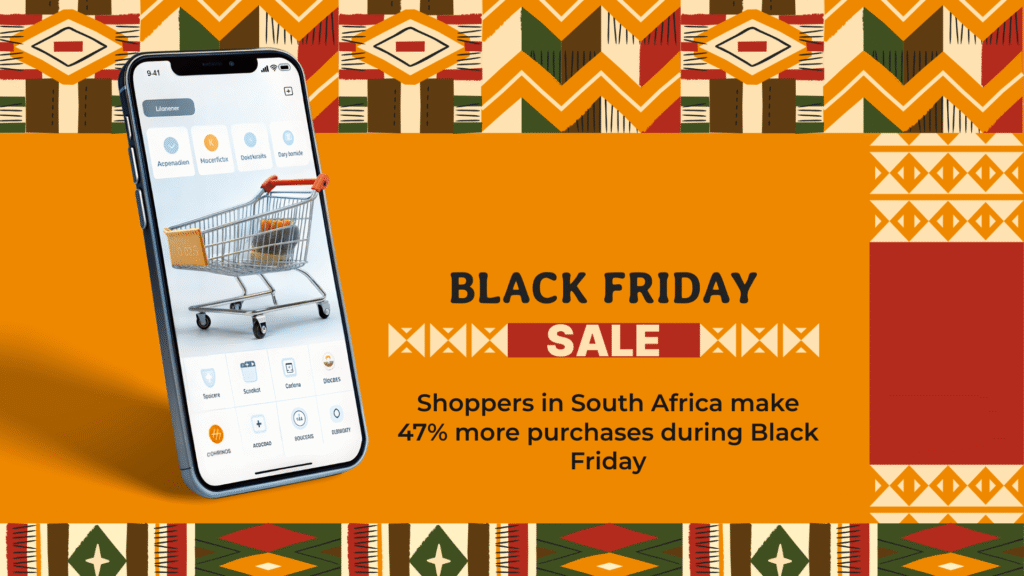
Black Friday ecommerce in Africa has transformed from being a niche event to a continent-wide digital phenomenon. The DHL’s 2025 report shows that shoppers in South Africa make 47% more purchases during Black Friday! While in Nigeria, the numbers are even higher, with Nigerians making more than 63% purchases during Black Friday.
The African market has endless possibilities for Black Friday eCommerce success:
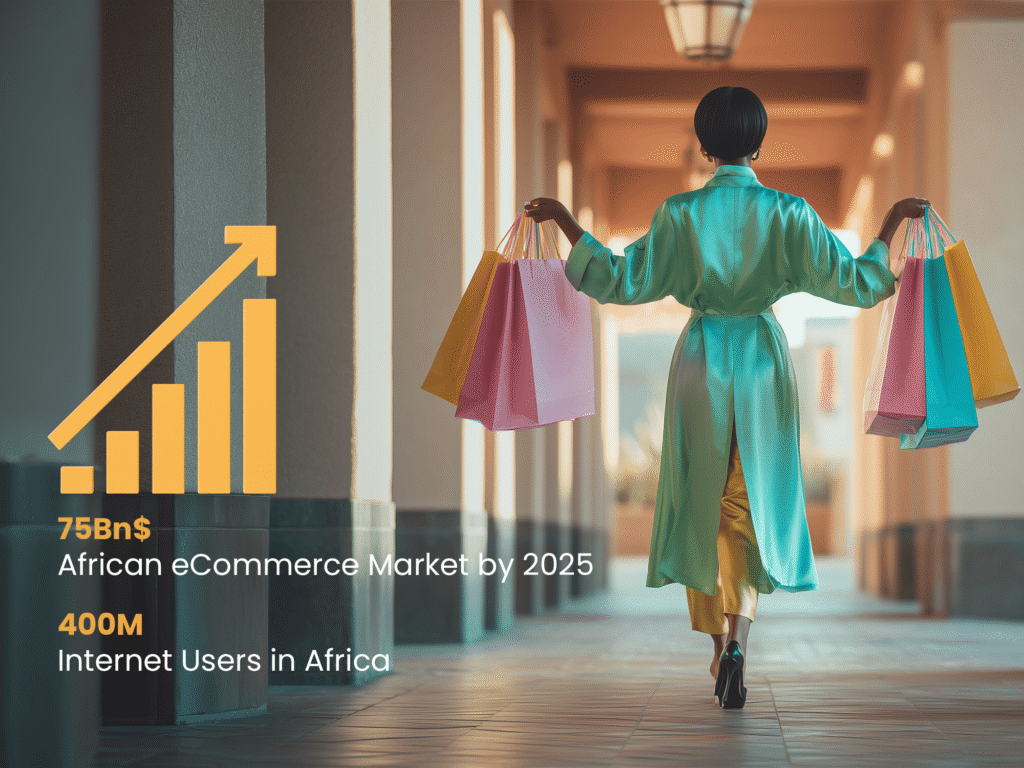
· Explosive Growth: The African e-commerce market is projected to reach nearly $75 billion by 2025. This growth gestures a massive appetite for online shopping.
· Key Hubs of Activity: Countries like Nigeria, South Africa, and Kenya are leading the charge. In South Africa alone, Black Friday sales consistently break records, with online transactions making up a significant portion of the volume. Nigeria’s version, known as “Yakata Sales,” has become a major cultural event.
· Mobile-First Dominance: Unlike Western markets, ecommerce in Africa is overwhelmingly mobile-first. Over 400 million internet users in the region access it via mobile phones, and the number is expected to keep growing, so making a mobile-optimized experience non-negotiable.
Top Platforms & Crucial Local Trends
Your business must go to the shoppers where they are, and the African ecommerce ecosystem is a unique mix of continental giants, regional leaders, and powerful social platforms that often serve as the primary gateway to the internet. Understanding this landscape is the cornerstone of a successful Black Friday ecommerce strategy.
Insights from Global Platforms
The sheer scale of Black Friday on global platforms like Shopify highlights the massive opportunity. According to Shopify Black Friday data, official 2024 Black Friday/Cyber Monday, merchants on the platform collectively generated a record-breaking $11.5 billion in sales globally over the weekend.
Crucially, this report revealed that cross-border commerce is a dominant trend, with 15% of all orders worldwide shipping from one country to another. This statistic is a powerful indicator that consumers are more willing than ever to shop from international brands, creating a clear opening for businesses looking to enter and expand within African markets.
In 2025, early indicators suggest even higher performance, especially in mobile conversions and international sales. The Shopify Black Friday Globe visualization showed peak activity in the US, UK, and Australia, with emerging traction in MENA and Africa.
Dominant Ecommerce & Social Platforms
While building your own direct-to-consumer site is important, a significant volume of transactions occurs on established marketplaces and social channels.

Marketplace Giants:
- Jumia: Often called the “Amazon of Africa,” Jumia operates in over 10 countries and is the go-to destination for millions of shoppers. They heavily promote their own “Jumia Black Friday,” making it a critical platform for visibility and sales.
- Takealot: The undisputed leader in South Africa, Takealot’s “Blue Dot Sale” is their version of Black Friday and a massive driver of the country’s ecommerce revenue during the holiday season.
- The MENA Twist: In Egypt and the broader Middle East, White Friday ecommerce has become the localized version of Black Friday. Coined by Souq (now Amazon), it aligns with cultural preferences and has seen double-digit growth annually since 2018.
The Social Commerce Revolution:
- WhatsApp & Instagram: For a vast number of consumers, especially in the mobile-first environment, social media is the storefront. Businesses use WhatsApp Business for everything from customer inquiries to sharing product catalogs and processing orders. Instagram Shopping and Facebook Marketplace are also powerful channels for discovery and direct sales, often with transactions completed via direct message.
Key Trends Shaping Black Friday Success
Beyond platforms, there are special trends that affect the modern African consumer behavior.
- Mobile Money is the Best Option: While the credit card method is growing, mobile money remains the dominant digital payment method in many regions. Integrating services like M-Pesa (Kenya), MTN Mobile Money (MoMo), and Airtel Money is not just an option—it’s essential for conversion. Failure to offer these is like a Western site not accepting Visa or Mastercard.
- The Rise of “Buy Now, Pay Later” (BNPL): Flexible payment solutions are gaining rapid traction. Fintech platforms are offering BNPL services that allow consumers to purchase items and pay in installments, making higher-ticket items more accessible. Offering this at checkout can significantly boost conversion rates.
The Localization Blueprint: A Step-by-Step Pre-Campaign Strategy
Localization is the engine that will drive your Black Friday ecommerce success in Africa. It’s a multi-faceted approach that goes far beyond simple language translation to create a truly native and frictionless customer experience.
Step 1: Build a Culturally Fluent Foundation
Before you think about discounts, you must prepare your digital presence.
- Adapt Your Digital Storefront for Local Realities: Your website should seem welcoming to the African shoppers; you must tailor it to their norms. This includes displaying prices in local currencies (Nigerian Naira, Kenyan Shilling), integrating essential mobile money gateways like M-Pesa, and adapting checkout forms for local address formats. Don’t just translate product descriptions; transcreate them using local idioms and cultural references to ensure they connect authentically.
- Craft Culturally Resonant Marketing Messages: Your SEO campaigns are your first point of contact. Directly translating a US or UK slogan will fail. Use visuals that reflect the diversity of your target audience, as representation builds an immediate connection. Work with local linguists to craft messaging that captures the intent and emotion of your campaign, not just the literal words. Aligning promotions with local holidays or events can also maximize relevance.
· Build Trust with Multilingual Customer Support: Also, according to VML’s Future Shopper Report, South African consumers prioritize trust, delivery speed, and mobile usability when shopping online during Black Friday. That’s why building trust through clear communication, local testimonials, and secure, familiar payment options is your best move!
Step 2: Launch Targeted and Actionable Campaigns
Once your foundation is in place, you can execute campaigns designed specifically for the African ecommerce landscape.
- Mobile-First Flash Sales: Design lightweight, fast-loading landing pages for flash sales, optimized for low-bandwidth environments.
- WhatsApp & SMS Marketing: Build subscriber lists to send exclusive offers directly through these dominant communication channels.
- Collaborate with Local Influencers: Partner with micro-influencers whose endorsement is often more trusted than a corporate ad.
- Offer Flexible Delivery Options: Partner with local logistics companies to provide reliable and affordable delivery, including “Click and Collect” or agent networks.
- Bundle for Value: Create product bundles that solve a specific need for the local consumer, such as a “Work from Home” tech package.
- Geo-Targeted Social Media Ads: Run highly specific ad campaigns on Facebook and Instagram, tailoring the language, visuals, and offers to each country.
- Run a “Save for Later” Campaign: Since data costs can be a concern, allow users to save deals and send them a reminder when they are connected to Wi-Fi.
- Leverage User-Generated Content: Encourage customers to share their purchases with a localized hashtag for a chance to win a prize, building powerful social proof.
- Build a VIP Early Access List: Use email and SMS to reward your most loyal customers with early access to your black friday ecommerce deals.
- Host a Live Shopping Event: Partner with a local celebrity to host a live-streamed sale on Instagram, showcasing products and offering real-time discounts.
The Last Mile: Logistics & Trust Factors
Even the most creative campaign will fail if the customer journey is broken at its most critical points: checkout, payment, and delivery. For a strategy in Africa, mastering these operational elements is not just important—it’s everything.
Navigating the Final Mile: Delivery & Fulfilment
African consumers consistently rank delivery reliability and transparency as top concerns when shopping online. Building a logistics framework that inspires confidence is essential.
· Partner with Local Last-Mile Couriers: National postal services can be unreliable. Instead, partner with established local and regional couriers like Sendy in Kenya, Max.ng in Nigeria, or the pan-African Aramex to ensure packages arrive safely and on time.
· Offer Real-Time Tracking and SMS Updates: Transparency is no longer a luxury; it’s a core expectation. Provide customers with real-time tracking links and send proactive SMS notifications for key delivery milestones (e.g., “Out for Delivery,” “Delivered”).
· Use Regional Fulfillment Hubs: For brands operating in multiple countries, using regional fulfillment centers in hubs like Nairobi, Lagos, or Johannesburg can drastically reduce cross-border shipping times and costs, creating a much better customer experience.

Building Unshakeable Trust
Skepticism can be a major barrier to conversion. According to a 2025 DHL report, only 37% of global shoppers fully trust Black Friday deals, and this figure is often lower in African markets due to past experiences with fake discounts and scams. To combat this, your brand must be built on a foundation of transparency.
· Display Authentic Before/After Pricing: Avoid inflated “original” prices that erode customer trust. Show clear, honest discounts that provide genuine value.
· Leverage Verified Customer Reviews: Social proof is incredibly powerful. Prominently feature verified reviews and testimonials from local customers to build credibility.
· Offer a Clear and Fair Return Policy: A straightforward, “no-questions-asked” return policy can be the deciding factor for a hesitant buyer. Make the process simple and communicate it clearly on your product pages.
Final Thoughts
The explosive growth of Black Friday ecommerce in Africa is a once-in-a-generation opportunity for forward-thinking brands. However, success is not a matter of chance; it is a matter of choice. The choice to move beyond a simplistic, globalized strategy and embrace a deeply localized approach. By understanding the norms of the market, respecting the cultural context, and adapting your operations accordingly, you can build a sustainable and profitable presence.
Ready to build a Black Friday strategy that truly connects with your African audience? Contact Afrolingo for e-commerce localization consultation today.
FAQs
What is the holiday shopping season?
The holiday shopping season is the period from late November through early January that encompasses major shopping events like Black Friday, Cyber Monday, and Christmas. For ecommerce, this is the most significant sales period of the year.
What is Black Friday for ecommerce?
Black Friday for ecommerce is the online version of the traditional retail sales event, where online stores offer significant discounts and promotions. It marks the unofficial start of the holiday shopping season and is a major revenue driver for online businesses.
Does Black Friday apply to online shopping?
Absolutely. Black Friday has become a massive event for online shopping. In fact, black friday ecommerce sales now consistently surpass in-store sales, with consumers enjoying the convenience of shopping from their devices.
What day is Black Friday for online?
Black Friday is the Friday immediately following Thanksgiving in the United States. Online sales and promotions, however, often begin earlier in the week and extend through the weekend into Cyber Monday.
What are the 5 C’s of e-commerce?
The 5 C’s of e-commerce are a framework for strategy, typically including:
Commerce: The buying and selling of goods.
Content: The product information, blogs, and media that attract and engage customers.
Community: The interaction and user-generated content around your brand.
Context: Personalizing the user experience.
Connection: Creating a lasting relationship with the customer.