Skip to content


Expanding into a new market is all about understanding that new market, and most importantly, speaking its language! In a way, language is like an ambassador of your business, connecting it to a new audience, and for that to work, your ambassador/ language needs to feel authentic, and that’s what we call language localization!
Think about it, would Ikea have made it this far in the different markets worldwide if it didn’t connect to the customers of that region or present English-only services? What about Nike, Netflix, or Coca-Cola, and many more! Those brands’ success all over the world is a real-life example of the power of language localization!
In this guide, we explore the importance of language localization, especially in the diverse African market.
What Is Language Localization?
To truly understand the industry, we must first ask: What is language localization? Language localization (often abbreviated as L10n) is the process of adapting a product, piece of content, or document to a specific country, region, or market.
While translation changes the words, localization adapts the experience. It involves a comprehensive study of the target culture to adapt functional elements, visual design, and technical requirements. The goal is to make the product appear as though it was originally created for that specific market.
For a SaaS platform, language localization means ensuring that when a user in Nairobi logs in, they don’t just see Swahili text; they see currency in Kenyan Shillings (KES), dates formatted to their preference, and culturally relevant imagery.
How Localization Differs from Translation
The terms are often used interchangeably, but discerning. They represent different, distinct stages:
| Feature | Translation | Localization (L10n) |
| Primary Focus | Converting text from Source Language (A) to Target Language (B). | Adapting the full user experience (UX) for a specific locale. |
| Scope | Linguistic accuracy (grammar, syntax). | Cultural nuance, layout, colors, formatting, and technical compliance. |
| Example | Translating “Add to Cart” to French. | Ensuring the “Add to Cart” button expands to fit the longer French text and uses local currency. |
| Goal | Comprehension. | Conversion and Emotional Connection. |
The Data: Why It Matters
The business case for language localization services is supported by hard data. In recent years, between 2022 and 2025, the English proficiency has been losing its spot at the top of the list!
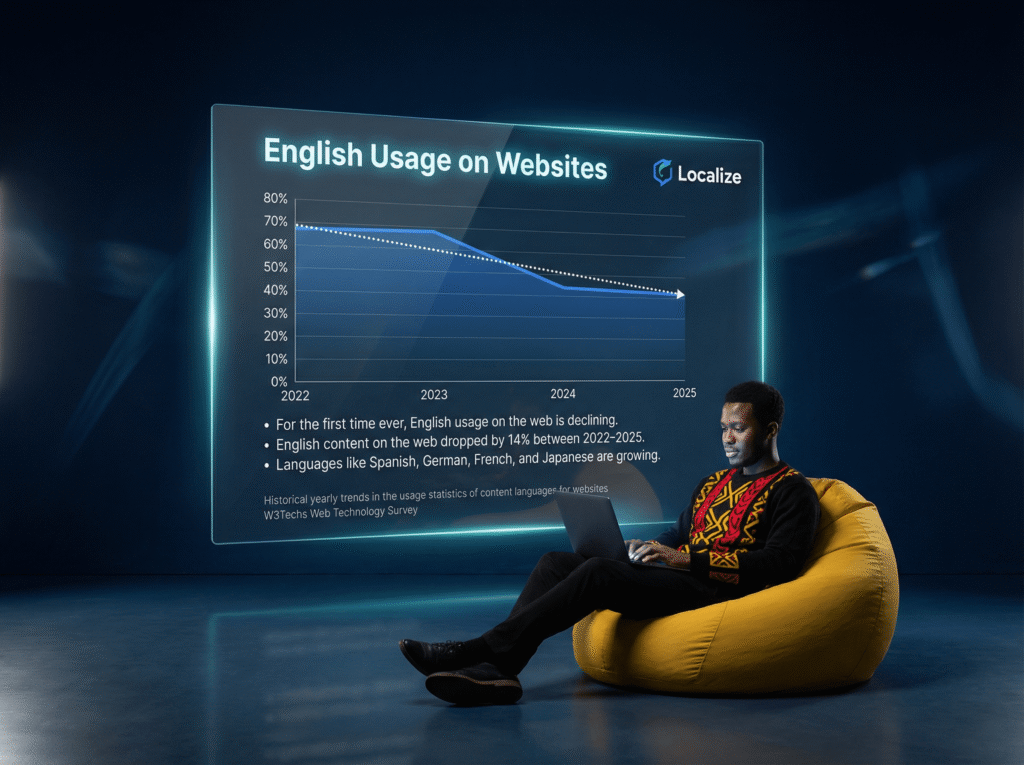
According to CSA Research:
- 76% of online shoppers prefer to buy products with information in their native language.
- 40% will never buy from websites in other languages.
- 60% of non-English speakers rarely or never buy from English-only sites.
In the African context, where internet penetration is skyrocketing, the demand for local content is even higher. Users are not just looking for access; they are looking for respect and recognition of their identity.
Key Elements of Language Localization
Effective content localization services go far beyond the dictionary. To build a product that works in Nigeria, Egypt, or South Africa, you must address five critical pillars.
1. Language + Regional Dialects
A common mistake in language localization is assuming one language fits all regions.
- The “French” Fallacy: Creating a generic French site for both Paris and Abidjan is a strategic error. West African French (Francophone Africa) uses distinct terminology, slang, and levels of formality compared to European French.
- Arabic Variations: While Modern Standard Arabic (MSA) is used in formal writing, an e-commerce chatbot targeting Egypt should understand the local Masri (Egyptian) dialect to feel authentic, whereas a Saudi audience requires a Khaliji dialect approach.
2. Visual Adaptation (Colors, Symbols, Layouts)
Visuals speak faster than words; that’s why your web localization needs a thorough audit of imagery:

- Color Theory: Colors represent different meanings in different regions. Red signifies “danger” or “stop” in many Western UIs, but it represents luck and prosperity in parts of Asia. While in South Africa, red is the color of mourning for some cultures.
- Icons and Symbols: A “thumbs up” is generally positive but can be offensive in parts of the Middle East and West Africa. An image that might work for an American audience would be seen as offensive by another!
- People: Does your stock photography reflect the demographic you are selling to? A user in Lagos wants to see African representation, not a generic European office setting.
3. Formatting (Date/Time, Currency)
Friction destroys conversion! If a user has to do mental math to understand the price or the delivery date, then you will lose them.
- Dates: The US uses MM/DD/YYYY. Most African and European countries use DD/MM/YYYY. Confusing these can lead to missed SaaS subscription renewals or shipping errors.
- Currency: Displaying prices in USD ($) for a customer in Ghana creates anxiety about exchange rates and bank fees, and so on, creating a barrier that would cost you a lot of customers. That’s why your business needs to always be presented in the local currencies of your target audience!

4. UX and UI Localization
This is where language localization becomes a technical challenge for developers.
- Text Expansion: Translating an English interface into Amharic or Yoruba can break your UI. Amharic characters (Fidel) are taller, requiring increased line height, while German or French translations often expand text width by 30%.
- Right-to-Left (RTL) Scripts: For markets speaking Arabic or Hebrew, the entire interface must flip. Menus, text alignment, and even progression bars need to mirror the reading direction.
- Bandwidth & Performance: Language localization isn’t just about words; it’s about file sizes. A truly localized site for markets with high data costs (like Zimbabwe) must be optimized for speed. This often means serving static assets rather than heavy video backgrounds.
5. Legal and Regulatory Localization
Best localization services always include a legal review.
- Data Privacy: Europe has GDPR. South Africa has POPIA. Nigeria has the NDPR. Your cookie banners and privacy policies must be localized to comply with local laws, not just translated.
Why Language Localization Drives Global ROI
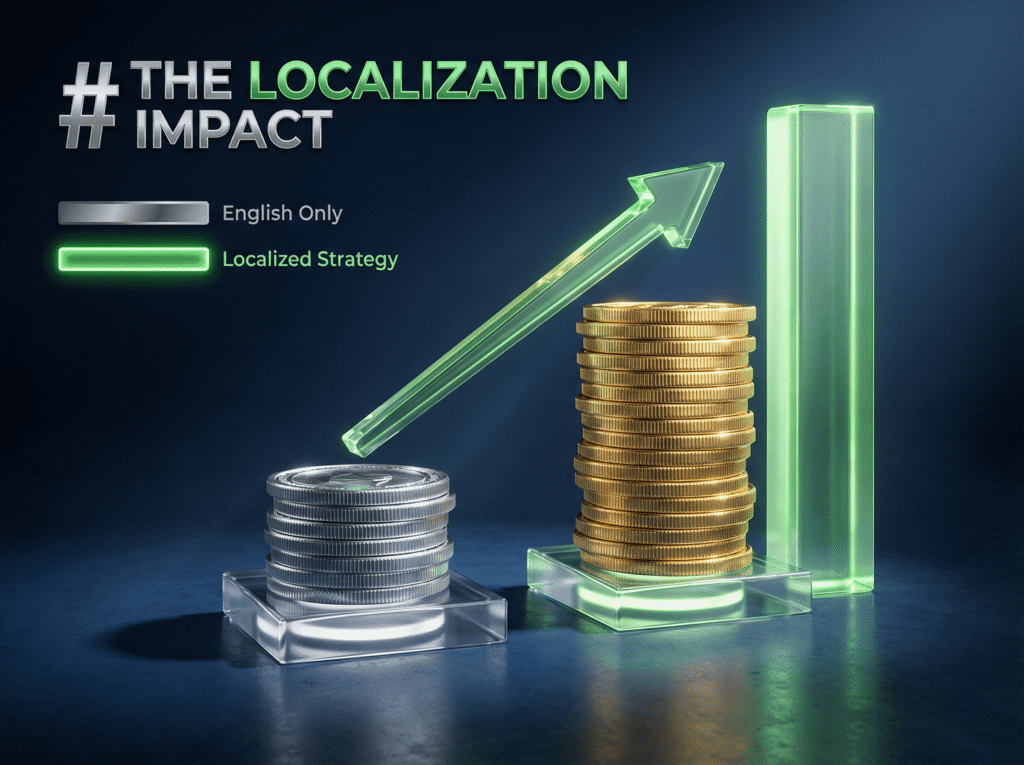
Investing in a strong language localization process is not an expense; it is a revenue generator. In fact, language localization services offer one of the highest Returns on Investment (ROI) in the digital economy.
Conversion Impact
If customers can’t understand the product, then they won’t buy it! By removing linguistic friction, you decrease bounce rates. For SaaS platforms, localized onboarding flows significantly increase trial-to-paid retention rates because users actually understand how to use the software.
African consumers are often wary of digital fraud. When a Nigerian user lands on a Fintech page that speaks flawless Pidgin or utilizes local cultural references, the psychological barrier drops.
Market Penetration Benefits
You cannot dominate a market you don’t speak to. Penetrating diverse markets like Ethiopia or Kenya requires linguistic localization. It allows you to compete with local players who already possess the cultural advantage.
A clear example of that is the big tech giants like Google and Facebook are heavily investing in linguistic localization for languages like Hausa, Igbo, and Somali because they know the next wave of growth is non-English speaking.
Customer Trust and Retention
Trust is the currency of the digital age.
- Payment Trust: Localizing your checkout to include trusted local payment methods (like M-Pesa in East Africa, Paystack in Nigeria, or Fawry in Egypt) is vital. If a customer only sees “PayPal” or “Credit Card,” they may abandon the cart.
- Support: Providing customer support knowledge bases in local languages reduces ticket volume and increases user satisfaction.
SEO Benefits (Localized Keywords + Local SERPs)
Language internationalization and localization are SEO gold.
- Keywords: People don’t search for “running shoes” in every country. In South Africa, they might search for “takkies.” Direct translation fails here; you need localized keyword research to capture high-intent traffic.
- Hreflang Tags: Proper web localization involves technical SEO implementations (like hreflang tags) that tell Google which version of your site to show to users in specific regions (e.g., en-ng for English speakers in Nigeria).
Language Localization Success Stories
Theory is one thing; execution is another. The world’s most successful brands didn’t win African market share by imposing a monolithic global strategy. They won by listening and understanding that to scale up, they first had to drill down—adapting their products to the unique rhythms, languages, and technical realities of the continent.
Spotify: Hyper-Localization in Africa

The Solution: Spotify adopted a strategy of Content & Technical Localization:The “Hub” Strategy: Instead of just translating the app interface, they localized the discovery algorithms. They launched dedicated hubs for African genres like Amapiano and Afrobeats, curating playlists specific to “Gen Z Kenya” or “Street Anthems Nigeria.”
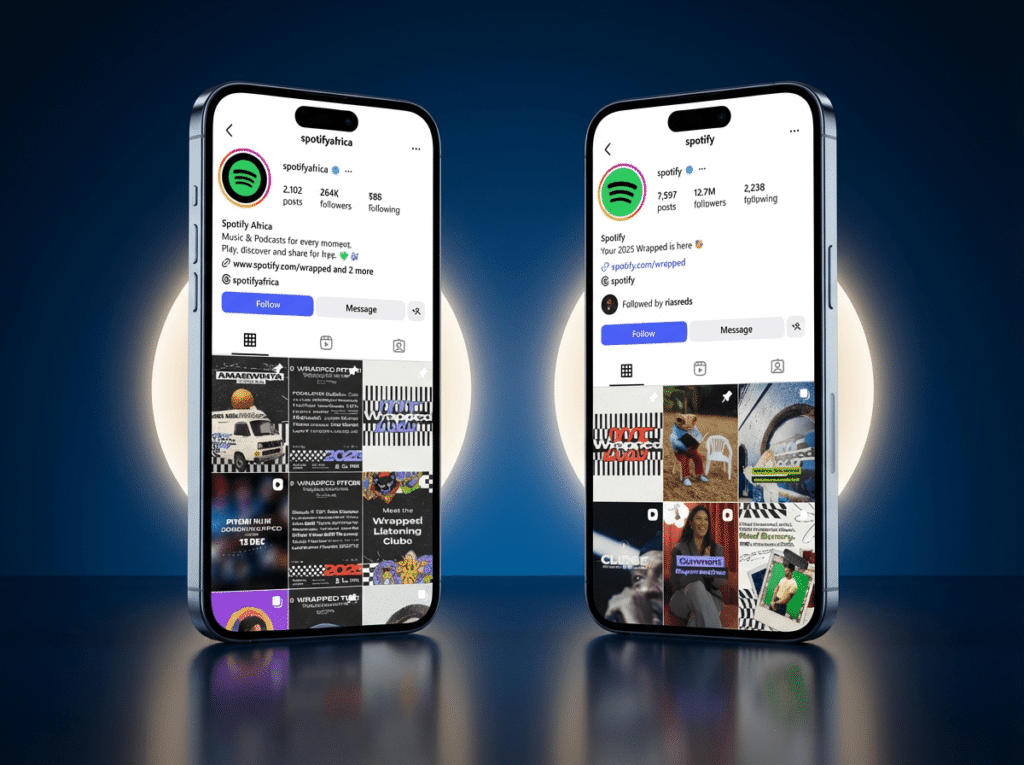
Technical Access (Spotify Lite): Recognizing the high cost of data, they rolled out Spotify Lite across 36 emerging markets (including Egypt and South Africa)—a <10MB app optimized for older Android devices and slow 3G networks.
The Result: The strategy ignited an explosion in local engagement. By 2023, streams of the localized genre Amapiano had grown by 345%, hitting 1.4 billion streams. Additionally, revenue generated for South African artists on the platform grew 500% since 2017. By localizing the content and the access point, Spotify turned local listeners into global subscribers.
Coca-Cola: Mastering Cultural & Linguistic Nuance
The Challenge: Coca-Cola needed to ensure its global brand remained personally relevant in diverse markets. They understood that a “one-size-fits-all” approach would fail. While Australian consumers responded to individual names (like “Sophie”), Chinese consumers preferred relational titles (like “Classmate”) due to collective cultural dynamics. The challenge was applying this deep level of product localization to the complex African landscape.
The Solution: Coca-Cola executed a masterclass in African content localization services through two distinct campaigns:
- The “Wozzaah” Launch (2024): They launched “Wozzaah Zero Sugar”—named after the isiZulu term for “Come here.” This wasn’t just a label change; it was a sensory localization project. Available in Nigeria, Algeria, South Africa, and Morocco, the packaging featured artwork by Kenyan illustrator Joy Richu, designed to visually answer the question, “What does Africa taste like?”
- The “Phonetic Can” Strategy: In South Africa, they moved beyond simply printing names. They printed names phonetically, specifically highlighting the unique tongue clicks found in local languages (like Xhosa). This validated local identities in a way standard Western typography never could.
The Result: The “Phonetic Can” campaign drove a 158% increase in brand love, achieved 90% market penetration, and resulted in a 5.4% rise in volume. This proves that when a brand respects the sound and soul of a local language, the ROI is immediate.
How to Choose a Language Localization Partner
Given the critical role of language localization in your business’s growth, you should opt for one of the best localization services for your business, but how can you do that? Here is what to look for to ensure quality and scalability.
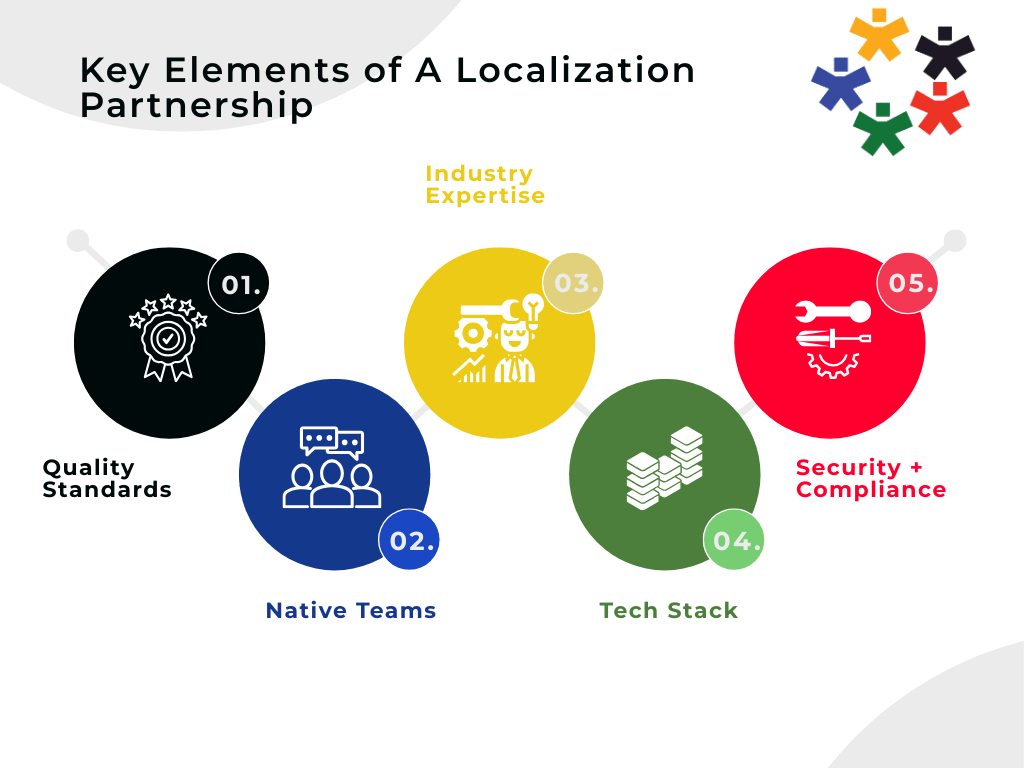
1. Quality Standards (ISO Certification)
Language localization quality is not an option! Look for a partner with world-class certificates like ISO 17100 for translation services, for example. These kinds of certifications are like a gold standard for translation and localization services.
It guarantees that the agency follows a strict TEP Process (Translation, Editing, Proofreading). This means every piece of content is touched by at least three different linguistic experts before it reaches you.
2. Native Teams
Fluency is not enough. A translator living in London may speak fluent Swahili, but do they know the current street slang used by Gen Z in Nairobi today? To truly resonate, you need teams who live and breathe the culture they are localizing for. Language evolves rapidly, especially in African tech hubs.
Avoid agencies that rely solely on AI or generalist translators. For language localization in Africa, you need native speakers who live in the region and understand the current slang, cultural sensitivities, and market trends. At Afrolingo, our teams are in-country experts.
3. Industry Expertise
You wouldn’t hire a general practitioner to perform heart surgery. Similarly, you shouldn’t hire a generalist translator to localize your legal contracts or medical software.
Your partner must employ Subject Matter Experts (SMEs). If you are in Fintech, your linguists need to understand the difference between “balance sheet” and “ledger.” If you are in SaaS, they must know how to translate UI terms like “commit,” “push,” or “cache” so they make sense to local developers.
Ask your potential partner for case studies specifically in your industry. If they claim to be experts in everything, they are likely masters of nothing.
4. Tech Stack
Modern language localization is a technology workflow. If an agency asks you to email Excel spreadsheets back and forth, they are already behind. Your partner should integrate with your workflow. Look for translation and localization services that utilize:
- Translation Management Systems (TMS): To store memory and reduce costs over time.
- API Connectors: To automate the flow of strings between your code repository and their translation environment.
5. Security + Compliance
When you hand over your content, you are often handing over sensitive data—customer information, unreleased product specs, or internal strategy.
Ensure your partner complies with global standards (like GDPR) and regional African regulations (such as South Africa’s POPIA or Nigeria’s NDPR).
Your partner should have strict Non-Disclosure Agreements (NDAs) with all linguists and secure, encrypted file transfer protocols. Security breaches in the supply chain are a major risk; your localization partner should be a fortress, not a leak.
Conclusion
Language localization is the bridge between your product and the world. The business world has changed, and now the customer experience is the primary differentiator. Speaking the language of your users—both literally and culturally—is your key to any exponential growth.
From technical web localization to adapting cultural rules for the African market, the process requires expertise, precision, and the right technology. So, don’t let language be the barrier to your success.
Contact Afrolingo Today to discuss how our native experts can tailor your localization strategy for Africa and beyond.